

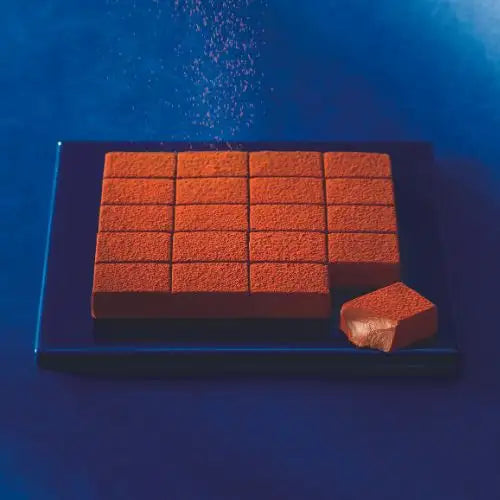
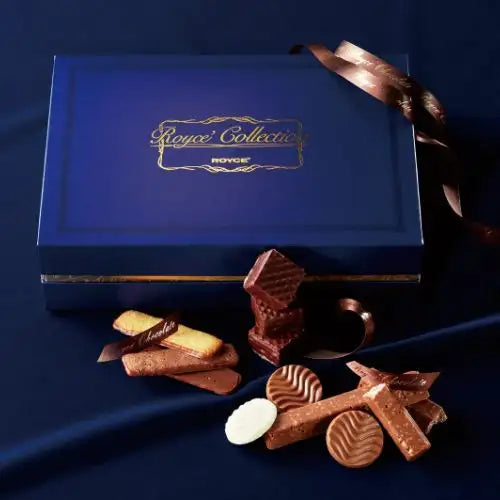
A small square, a world of flavor
There is a particular pleasure in finding a chocolate that feels immediately familiar, and another in discovering one that surprises you. ROYCE' Nama Chocolate offers room for both. Its gentle melt gives each bite an unhurried quality, inviting you to notice the flavor as it unfolds rather than rushing toward the next piece. Choosing a box becomes more interesting when you can picture the experience inside it.
This Nama Chocolate flavor atlas helps make those choices a little clearer. Instead of asking you to name a single best ROYCE' chocolate, it places several favorites alongside one another so you can compare what matters to you. Perhaps you love a creamy milk profile, prefer cacao at the center of the experience, or want the distinctive character of green tea. Begin there, and let your curiosity lead you toward a second selection.
The descriptions are tasting guides, not scores. One person's favorite may be another person's pleasant change of pace. A comparison is most useful when it gives you words for your preferences, helps you choose thoughtfully, and leaves room for the discoveries that happen only when you take that first bite.
What makes Nama Chocolate distinctive
ROYCE' Nama Chocolate is made with fresh Hokkaido cream and is known for its smooth, delicate consistency. This creamy foundation is central to the experience across the collection, even as individual flavors move from a gentle milk character to a more pronounced cacao impression. You are comparing variations within a shared style, rather than choosing between entirely unrelated types of confection.
That distinction matters if your usual reference is a firm chocolate bar. A bar invites attention to its snap and the way it softens after a bite. Nama Chocolate begins with a softer texture, and its flavor is carried through that velvety melt. Someone who enjoys dark chocolate bars may therefore appreciate cacao-forward Nama for a different reason than they expected.
The texture also suggests a slower way to enjoy it. Take a small piece, allow it to melt, and notice the first impression alongside the finish. A flavor that seems understated at first can become more expressive as you pause. You do not need specialist vocabulary; creamy, mellow, tea-like, or cacao-forward are perfectly useful observations.
Au Lait and Mild Milk: two creamy starting points
If milk chocolate is usually your first choice, Au Lait and Mild Milk offer a natural place to begin exploring ROYCE' chocolate flavors. Both belong in a conversation about creamy, approachable enjoyment. Their resemblance makes them useful to compare, especially when you want to choose a familiar style while paying attention to the details of the product.
Au Lait is a milk chocolate Nama with liqueurs in its recipe. Its name refers to milk, rather than indicating a coffee flavor. Think of it as a starting point for someone interested in the signature milk chocolate side of Nama. Mild Milk offers a non-liquor alternative within that same broad creamy family.
The liquor distinction is a practical consideration before it is a tasting exercise. If avoiding liquor is part of your selection, begin with the current non-liquor product listing and ingredient information. If you are comfortable choosing either, place them side by side and notice which overall impression you prefer. You may find that the deciding factor is simply the box you want to return to after the comparison.
Mild Cacao and Ghana Bitter: explore the cacao side
A cacao-forward preference does not always mean choosing the strongest possible chocolate. Sometimes it means wanting the chocolate itself to remain the focus, with fewer competing impressions. Mild Cacao and Ghana Bitter offer two non-liquor choices worth exploring when that sounds like your style.
Mild Cacao can be a thoughtful bridge between a milk-led choice and a more pronounced cacao experience. Ghana Bitter is a natural option to examine if you tend to seek a darker chocolate character. Their names help orient the comparison, but they do not replace tasting. The creamy Nama format gives both an experience of their own, distinct from a firm dark chocolate bar.
For a useful comparison, keep everything else simple. Try a small piece of each without a strongly flavored drink, and consider how much attention the cacao receives in the finish. Which feels more balanced to you? Which would you choose after dinner, and which would you offer someone who is just beginning to explore? Those questions are more helpful than assuming that greater intensity must mean a better chocolate.
White and Matcha: a different direction
A good Nama chocolate comparison includes options that change the conversation rather than simply increasing cacao intensity. White brings the white chocolate side of the collection into view, while Matcha adds the character of powdered green tea. These are useful choices when you want a box that feels distinct from your usual milk or dark chocolate selection.
White invites attention to a creamy, milk-led impression without the same cacao focus as the darker selections. Matcha introduces a tea-like character within the smooth Nama texture. If you already enjoy green tea desserts, Matcha offers a familiar point of connection. If you are new to them, pairing it with a box you already know can make the exploration feel inviting.
Both White and Matcha contain liquor in the listed recipes, so their flavor names should not be treated as ingredient summaries. Read the product information before selecting for someone else. When tasting, give each its own moment. Moving directly from a strongly cacao-forward chocolate to a delicate white chocolate can make the latter seem quieter than it would on its own.
Champagne Pierre Mignon: choose for the occasion
Some selections are appealing because they connect with a particular moment. Champagne Pierre Mignon is a liquor-containing Nama choice that invites a celebratory association through its champagne character. It can make a thoughtful addition to an anniversary gesture, a dinner invitation, or a tasting shared between people who enjoy exploring different chocolate styles.
The name does not mean you must serve it with a glass of champagne. Enjoying the chocolate by itself allows you to notice its own balance. If you do add a drink, regard the combination as a personal experiment rather than a pairing that is automatically correct because the names match.
When gifting, the most useful question is whether the recipient would enjoy this kind of flavor. A festive-looking choice can still be a poor fit if they prefer non-liquor chocolate. For someone whose tastes you know, an occasion-led selection can feel wonderfully personal. For someone whose preferences are less familiar, a milder or non-liquor option may be a more comfortable starting point.
Build a comparison with purpose
Two boxes can teach you more about your preferences when you choose them for a reason. A similar pair helps you notice smaller distinctions; a contrasting pair helps you discover the range of the collection. Decide which kind of exploration appeals to you before adding a second flavor.
For a familiar comparison, consider Au Lait and Mild Milk, keeping their liquor difference in mind. For a cacao-focused comparison, explore Mild Cacao alongside Ghana Bitter. For a wider contrast, place a creamy milk selection beside Matcha or White. None of these pairs needs to produce a winner. You might discover that each belongs to a different moment in your day.
Choose a Nama gift with the recipient in mind
Thoughtful chocolate gifting begins with the person receiving it. Consider the flavors they already order, the desserts they enjoy, and whether they like discovering something new. A recipient who always chooses creamy milk chocolate may appreciate a familiar box more than a deliberately unexpected one. A curious taster may welcome a comparison they would not have thought to try.
A two-box gift can tell a small story. One selection can be the reassuring favorite, and the other a gentle invitation to explore. Add a note explaining why you chose them: one reminded you of their usual dessert, while the other seemed made for a quiet afternoon together. That personal connection gives the gift meaning beyond the assortment itself.
Nama Chocolate also needs a little practical care. Confirm that the recipient can refrigerate it when it arrives, and consult the current delivery guidance before ordering for a particular date. If refrigeration would be inconvenient, explore other ROYCE' chocolate formats. Choosing a gift that fits someone's day is part of choosing it well.
Enjoy the discovery, and care for the box
Use a clean plate, fresh water, and a little space between flavors. Strong fragrances, heavily seasoned food, and sweetened drinks can distract from a comparison. This is not about creating a formal laboratory. It is simply a way to give each flavor a fair opportunity to be enjoyed.
Your favorite may change with the occasion. A cacao-forward box can feel right after a rich dinner, while a creamy selection may be the one you share during a relaxed afternoon. Keep the atlas as a starting point, then trust the experience of tasting. The pleasure of exploring ROYCE' Nama Chocolate is that the next favorite need not replace the last one.