

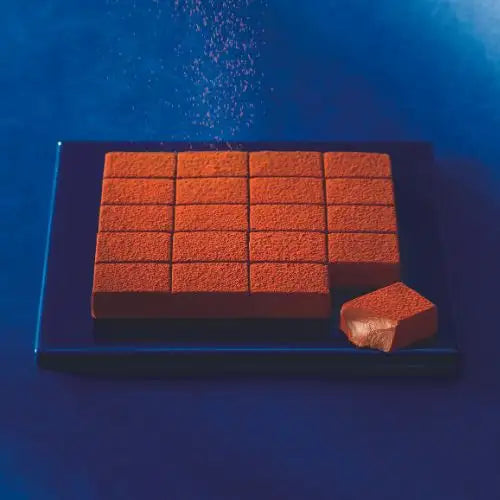

Good chocolate deserves a thoughtful place to rest
The first step is to look at the actual product in your hands. A box of Nama Chocolate and a box of Chocolate Wafers may arrive together, but that does not mean they belong in the same place at home. Read the label, identify the required storage conditions, and put each product away before thinking about a display or a gift arrangement.
The care calendar above makes that routine easier to organize. Choose the product category and enter the date you received your order. The result provides a planning reminder based on the official US guidance. It does not inspect your chocolate or determine whether a product is safe to eat.
Start with the label, then use the calendar
Printed instructions are specific to the product, while an online overview explains the wider collection. If you notice a difference between a general guide and the box you received, prioritize the printed label and contact Customer Care when clarification is needed. Keep the packaging available so you can refer to it without relying on memory.
The current US delivery guidance groups Nama Chocolate, Potatochip Chocolate, and Petite Truffes into a recommended 30-day enjoyment window after receipt. Many other listed room-temperature confections use a 90-day recommendation after receipt. These are best-consumption guidelines rather than safety deadlines. Follow the printed product date and storage instructions, and contact Customer Care when you are unsure about a selection.
A useful calendar reminder says, in effect, “Remember this box and review its instructions.” It should help you plan enjoyable moments, organize a gift, or decide which purchase to open first. The manufacturer’s current information and your specific product label remain the references for its care.
Storing Nama Chocolate calls for refrigeration
Nama Chocolate has a distinctive soft texture that makes its care different from many other chocolates. The official US guidance requires refrigeration for Nama Chocolate and Petite Truffes. Give them a suitable place as soon as they arrive, following the printed temperature requirements on the specific package. Do not use the general room-temperature chocolate category for these selections.
Make the refrigerator placement easy to recognize. Keep the original box together with its label, and avoid burying it behind unrelated items where it may be forgotten. If you are preparing a gift, confirm that the recipient has appropriate refrigerated storage. A beautiful box feels even more thoughtful when its care instructions travel with it.
When planning to enjoy Nama Chocolate, read its handling instructions before taking it out. This calendar does not set a universal time that refrigerated chocolate may remain at room temperature. If you have questions about its condition or an interruption to refrigeration, ask Customer Care with the product and order details rather than calculating an answer from the receipt date alone.
Room-temperature chocolate still needs a considered setting
Room-temperature storage is a category of care, not permission to leave chocolate anywhere in the house. Choose a location that follows the label’s temperature limit and avoids direct sunlight or nearby heat. A cupboard near an oven, a bright windowsill, or a parked vehicle may have very different conditions from the rest of the room.
Potatochip Chocolate belongs in the room-temperature group under the official US guidance, even though its recommended enjoyment window differs from many other room-temperature products. Pure Chocolates, Chocolate Wafers, Baton Cookies, and other listed confections also have their own label instructions. Check the particular item rather than assuming the same care from a similar-looking box.
For a mixed order, create two simple destinations: the products that require refrigeration and those intended for the label-specified room-temperature conditions. This takes only a moment at arrival, yet it prevents the common mistake of leaving the entire order together because the outer shipping carton treated it as one package.
Chocolate shelf life and expiration are different questions
When people ask about chocolate shelf life, they may mean several things: how long a box is intended to be enjoyed at its best, whether an unopened product can wait for a celebration, or whether a product they already have is suitable to eat. Those questions require different kinds of information. A planning calendar can help with the first two, but it cannot assess the third.
The question “does chocolate expire?” is best answered by reading the actual package information and understanding what its dates and instructions mean. A recommended enjoyment window is not automatically the same as a printed expiration or use-by date. Do not erase a date on the package mentally because an online tool produces a later reminder.
Appearance, smell, and the absence of visible changes do not provide a reliable safety decision through this page. Nor does a receipt date reveal how the product was handled at every stage. If a product’s condition is uncertain, contact the manufacturer with the details. The calendar is deliberately limited to organization, so it does not turn incomplete information into reassurance.
Build a care calendar around real moments
Use the day you actually received the package as the starting point, rather than the day you ordered or the day tracking first appeared. Those dates can differ. If you are organizing several boxes, note the product name beside each reminder so you can distinguish a refrigerated selection from a room-temperature one without opening every package.
Then add the moments you already have in mind. A weekend dinner, a small thank-you gift, or an afternoon tasting can sit beside the care reminder in your personal calendar. Planning something enjoyable often works better than treating chocolate as an item to save indefinitely for a perfect occasion that never arrives.
If your order includes several categories, enjoy the selections within their applicable guidance and labels. You can use the reminder to decide which box to open next, while keeping the original storage requirements in place. A longer suggested enjoyment window for one product does not extend the guidance for another product beside it.
Make delivery part of your storage plan
A little preparation before delivery can make arrival more comfortable. Watch the tracking updates, arrange for someone to receive the order when possible, and clear the appropriate storage space in advance. Having a place ready is especially useful when you have chosen refrigerated chocolates or ordered several boxes for a celebration.
The US website states estimated delivery of three to seven business days and notes that delays can occur. A specific delivery date is not guaranteed. Orders are shipped within the mainland continental United States under the current restrictions. If your gift depends on a precise day, review the live shipping guidelines and allow room for uncertainty before placing the order.
Orders use insulated packaging with dry ice and/or cooling agents. Follow the included handling instructions, especially the dry ice card. The shipping materials support transit; they do not replace the product’s home-storage instructions. Once the order arrives, move each selection to its required storage setting and retain any information you may need for a follow-up question.
Give the recipient more than a beautiful box
When chocolate is a gift, simple care information is part of the gesture. Let the recipient know which products require refrigeration and encourage them to read the labels. This is especially helpful when a gift set combines different kinds of confections or when you have assembled several boxes into one presentation.
Think about the recipient’s setting before choosing the gift. Someone receiving a box at an office may have different storage options than someone receiving it at home. Rather than assuming there is a refrigerator available, ask when appropriate or choose a selection whose care fits the setting. The right chocolate gift should feel easy to receive and enjoy.
If you are holding a gift before giving it, the storage responsibility begins when you receive it. Keep it under the required conditions and retain the receipt date for your planning. The day you hand the box to someone else does not restart the manufacturer’s recommended window. A brief, warm note can make that information feel natural rather than formal.
A simple routine after opening
Keep track of the product you have opened, its label instructions, and any printed dates. Opening a box does not reset the receipt-based recommendation. Return remaining chocolates to the storage conditions specified for that product and keep identifying packaging close at hand. If the package gives additional instructions after opening, follow those first.
For a tasting or shared dessert, prepare the serving area before bringing out the chocolates. Keep different care categories separate so a refrigerated selection is not treated like a room-temperature cookie. Present only what you can manage appropriately under the manufacturer’s instructions. The calendar does not supply a safe serving duration for a gathering.
When something is unclear, gather the product name, receipt date, package information, and order number before contacting Customer Care. Describe the concern directly rather than asking the tool to infer a result. A small amount of accurate information is far more useful than a guess about how a chocolate should look or how many days it has been in a cupboard.
The pleasure of a well-chosen chocolate often lives in a quiet moment: opening a familiar box, sharing a favorite texture, or discovering a new one. A clear storage routine gives those moments a place in your week. Use the calendar to remember what you have, then let the printed instructions guide its care.