

A chocolate charcuterie board begins with a little intention
There is something inviting about a dessert everyone can explore at their own pace. One guest reaches for a delicate wafer, another discovers the pleasure of chocolate with a salty crunch, and someone returns to the simple piece they enjoyed most. A chocolate charcuterie board brings those small discoveries together in a presentation that feels considered, generous, and easy to share.
Although the name borrows from savory charcuterie, this chocolate board is a sweet arrangement. You do not need cured meats, a complicated recipe, or an overflowing table to make it work. Begin with the occasion and the people around it. A quiet evening calls for a different selection than a birthday celebration or a dessert table after a full dinner.
The planner above helps turn that starting point into a practical selection. Think of its result as an invitation to curate, rather than a fixed menu. Your guests’ preferences, your available serving space, and the other food on the table should shape the final board.
Let texture do the work
The most memorable chocolate board ideas often begin with contrast. A board made entirely of similar pieces can look beautiful, but each taste may feel close to the last. Combine a smooth chocolate with something crisp, something delicate, and something unexpectedly savory. That creates variety without requiring a different flavor in every corner.
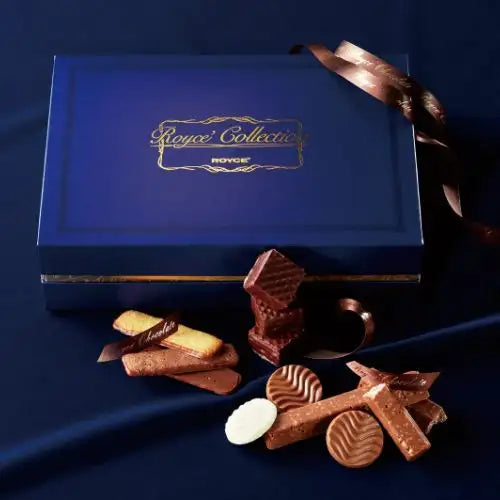
Pure Chocolate discs offer a straightforward place to begin. Their neat shape makes them easy to arrange and easy for guests to select. Baton Cookies bring a cookie texture to the chocolate platter, while Chocolate Wafers introduce a lighter layered bite. Potatochip Chocolate adds another kind of crunch and the appeal of sweet meeting salty.
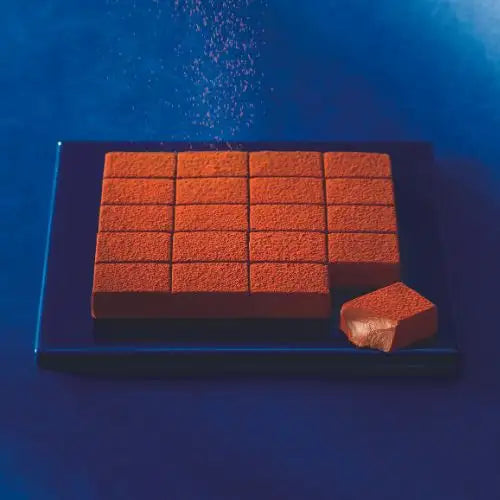
Nama Chocolate can create a separate moment within the experience, with its soft texture offering a contrast to the crisp selections. Because it requires refrigeration, plan a small refrigerated serving alongside the room-temperature board, following the package instructions. Variety should make hosting more enjoyable, without making product care an afterthought.
Choose an anchor, then add two or three companions
Start with the chocolate you are most excited to share. Perhaps it is a familiar milk chocolate, a darker selection for a guest who prefers a less sweet impression, or a Potatochip Chocolate variety that feels wonderfully unexpected. This anchor gives the board direction and makes the remaining choices easier.
Then choose companions that change the experience. If your anchor is a smooth chocolate disc, a wafer and a chocolate-covered potato chip provide two distinct textures. If your anchor is a crisp cookie, add a simple chocolate selection so guests can appreciate the chocolate itself before returning to the cookie. There is no need for every item to compete for attention.
For a first board, three or four thoughtfully selected products can be enough. A larger selection is useful when guests enjoy comparing flavors, but it can also make the table harder to navigate. Leave room for favorites to stand out. The feeling of care comes from how the pieces work together, not only from how many boxes you open.
Estimate quantities around the occasion
A dessert board after a generous meal usually needs less chocolate than a gathering built around tasting. Begin by deciding which role the board will play: a finishing touch, the main dessert, or a small experience guests will linger over. The planner’s portion estimates are editorial hosting suggestions, not ROYCE’ serving recommendations or nutritional guidance.
Think in tasting opportunities rather than identical pieces. One cookie, one chocolate disc, and one potato chip do not have the same size or weight. A useful board gives each guest a chance to try several textures, with a little extra of the selection you expect to be most popular. You can adjust the estimate if you know your group tends to share desserts lightly or return for seconds.
Before shopping, compare the planner’s suggested quantities with the actual package information. Package counts and product availability can change. Round your shopping list to the boxes available, then decide how much to present initially and how much to keep in reserve. This makes replenishment easier and gives you flexibility if fewer guests attend.
Create a chocolate platter with room to breathe
Choose a clean serving surface that suits the amount of chocolate you intend to present. A smaller platter can make a modest selection feel complete, while a board that is too large may encourage unnecessary additions. Shallow bowls or small dishes are useful for pieces that would otherwise move around when guests reach for them.
Arrange the anchor selection first, then place the contrasting textures nearby. Create small groups rather than one mixed pile. That lets guests see what they are choosing and makes it easier to refill a single section. Leave enough space between groups for a hand, small tongs, or a serving utensil to approach comfortably.
Use a few gentle changes in shape and height to create interest. A line of discs, a small bowl of chips, and neatly arranged cookies already provide visual rhythm. You do not need elaborate decoration. Keeping wrappers or original boxes nearby can preserve product information and let curious guests discover exactly what they enjoyed.
Make sweet and salty a deliberate tasting moment
Potatochip Chocolate offers a particularly enjoyable contrast on a chocolate tasting board. The familiar crunch of a potato chip changes the pace between smoother or more delicate selections. It can also give guests who are less interested in an entirely sweet dessert an appealing place to begin.
Original, Mild Bitter, and Fromage Blanc offer different ways to explore this pairing. Rather than treating them as interchangeable decorations, give each variety its own clearly labeled dish. Guests can try one, notice the balance they prefer, and compare it with another. Current product descriptions are the best place to review the character of each variety before making your selection.
Keep the comparison small enough to remain enjoyable. Two varieties alongside a wafer and a simple chocolate can provide plenty of conversation. A board becomes more engaging when guests notice a difference for themselves. A short label such as the product name is usually more helpful than a long tasting description that tells them what they should experience.
Plan for preferences before opening the boxes
A thoughtful host asks about food preferences and restrictions before finalizing the shopping list. Read current ingredients and allergen statements for every product, including the exact flavor you intend to buy. Similar-looking chocolates can contain different ingredients. A product selector or flavor description cannot confirm suitability for an individual guest.
If a guest has an allergy, do not assume that arranging a product in a separate corner removes cross-contact concerns. Shared boards, serving utensils, and opened packaging can complicate the situation. Consult the guest directly and use the manufacturer’s information to decide whether a shared chocolate platter is appropriate at all.
Alcohol preferences also deserve a clear check. Review product information rather than relying on the appearance of the chocolate or its name. Clear labeling makes the experience more comfortable for everyone. You can still create an inviting board when your selection is narrower; the strongest presentation is one your guests can approach confidently.
Keep care simple while you serve
Prepare the empty platter, labels, and utensils ahead of time, then add the chocolates when you are ready to serve according to their storage instructions. This separates the enjoyable styling from the product care. It also prevents delicate chocolates from sitting on a completed board while you finish unrelated party preparations.
Nama Chocolate requires refrigeration and should not be treated like a room-temperature cookie. Keep its box refrigerated as directed, and offer it separately in small servings when appropriate. Follow the label and official care guidance for handling; this planner does not set a universal room-temperature serving limit. If you cannot maintain the required conditions, choose other products for the board.
For room-temperature selections, choose a setting away from direct sun and heat, and follow the package temperature limits. Bring out modest amounts and replenish as needed. Keep unopened reserves in their required storage location. This practical approach supports a neat presentation and reduces the amount you need to manage at the end of the gathering.
Turn the board into a relaxed tasting experience
A chocolate tasting board can invite conversation without becoming a formal lesson. Encourage guests to begin with a piece that appeals to them, then try a different texture. Ask which pairing surprised them or which selection they would choose again. Personal preference is part of the pleasure, and there is no single correct favorite.
Water is a simple companion when the focus is tasting chocolate. If you also serve coffee, tea, or wine, let guests explore those pairings at their own pace. You can offer a suggested combination, but leave room for discovery. Keep drinks on a separate surface if space is limited so the chocolate board remains easy to reach.
When the gathering ends, note which products disappeared first and which combinations guests discussed. Those observations are more useful for your next board than trying to recreate someone else’s arrangement exactly. Save your preferred selection and adjust the quantities for your next occasion. A small tradition of sharing different chocolates can become something guests look forward to.